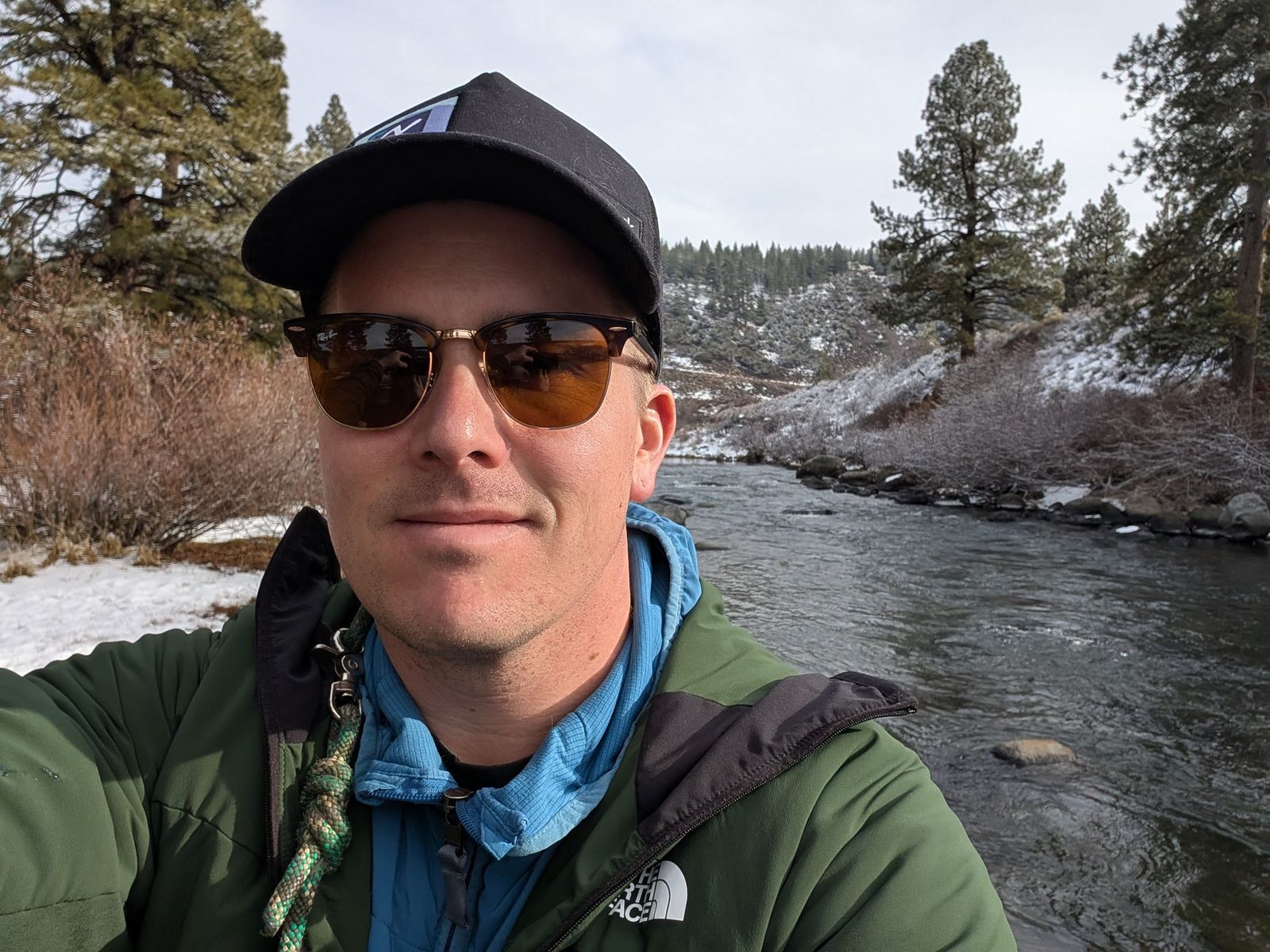
Blake by a river in the Sierra in winter

Hi, I'm Blake.

J. Blake Clark, PhD · Earth scientist · modeler · team lead

I grew up on California's Central Coast, followed the ocean into a career in science, and now live in Reno near the Sierra. I like hard problems with real stakes, and I like working through them with good people.

Reno, Nevada Formerly NASA Goddard Space Flight Center Founder, R-TEC
The story so far

Most of my career has been about one question: what happens to water, and everything in it, on its way from land to sea?

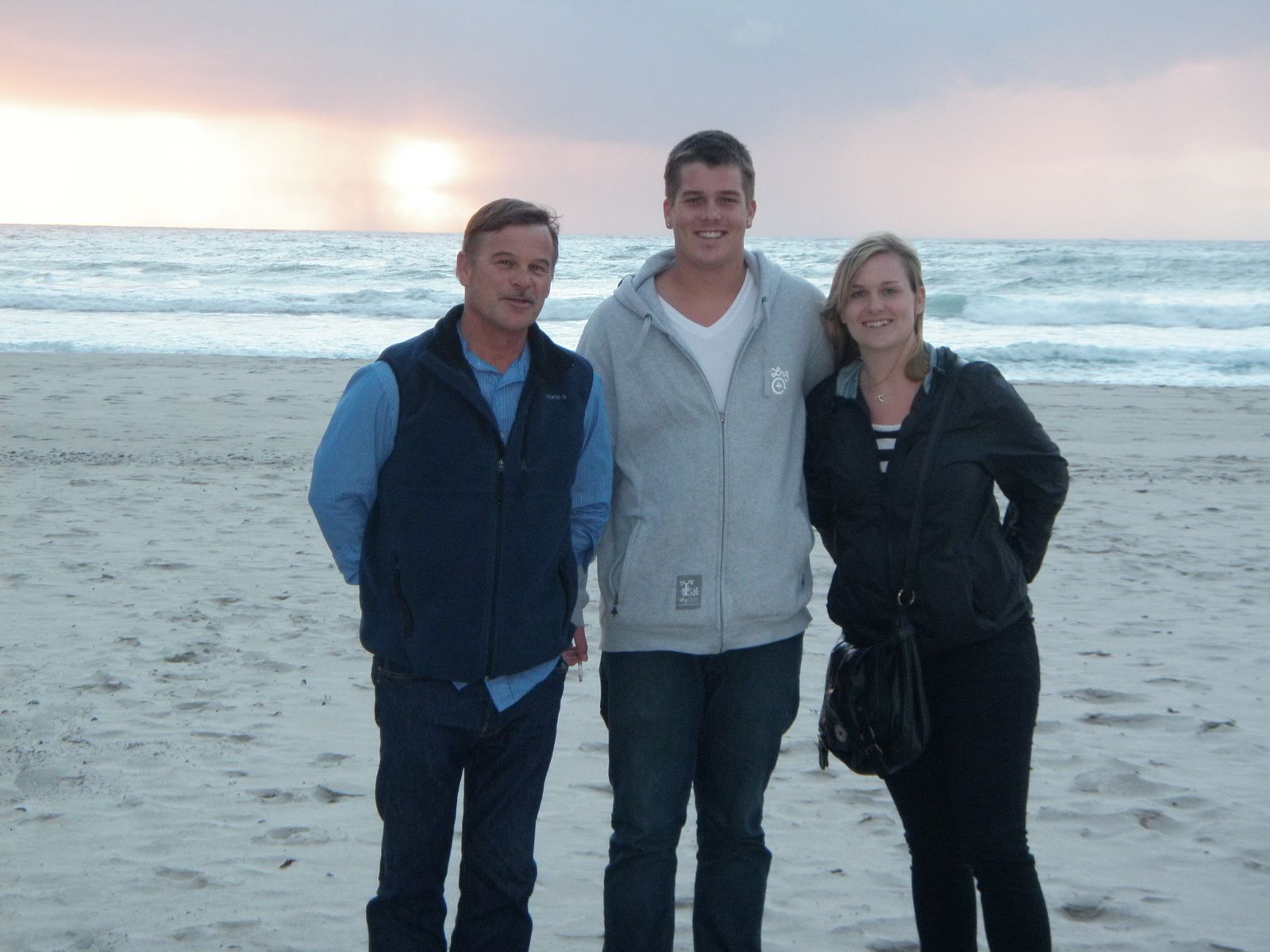
Blake and family on a beach at sunset
Sunset on the beach
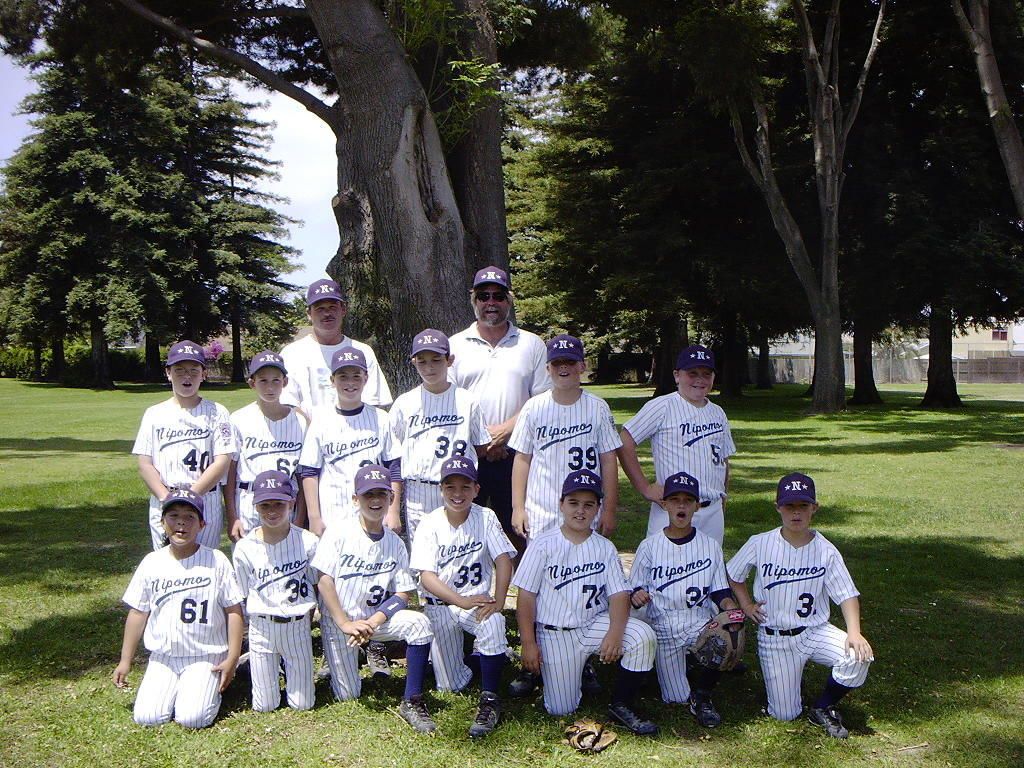
A youth baseball team in Nipomo uniforms
Youth baseball in Nipomo
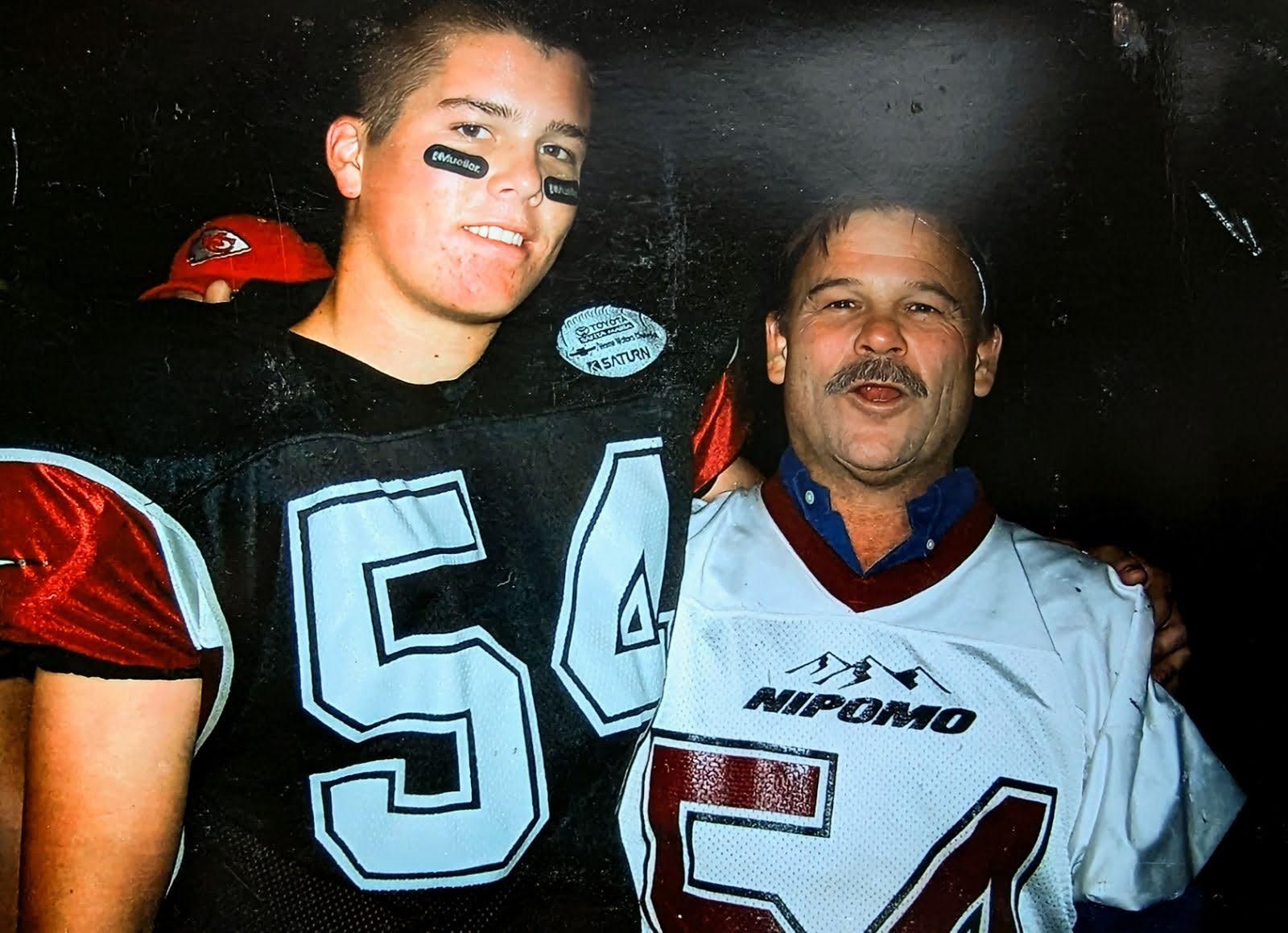
Blake in a number 54 football jersey after a game
Number 54, Friday nights
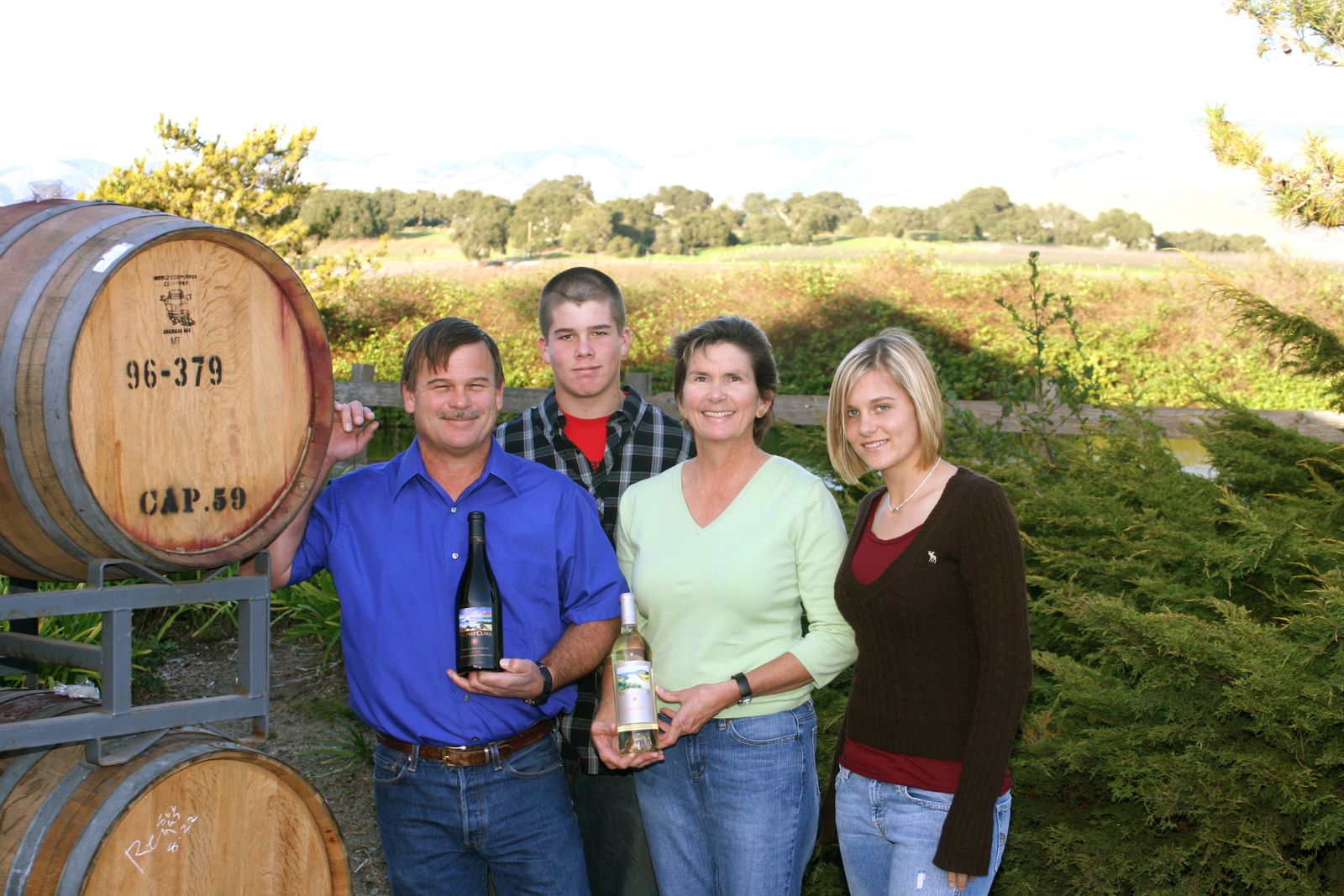
Blake and family by wine barrels with vineyards behind
With family at the winery
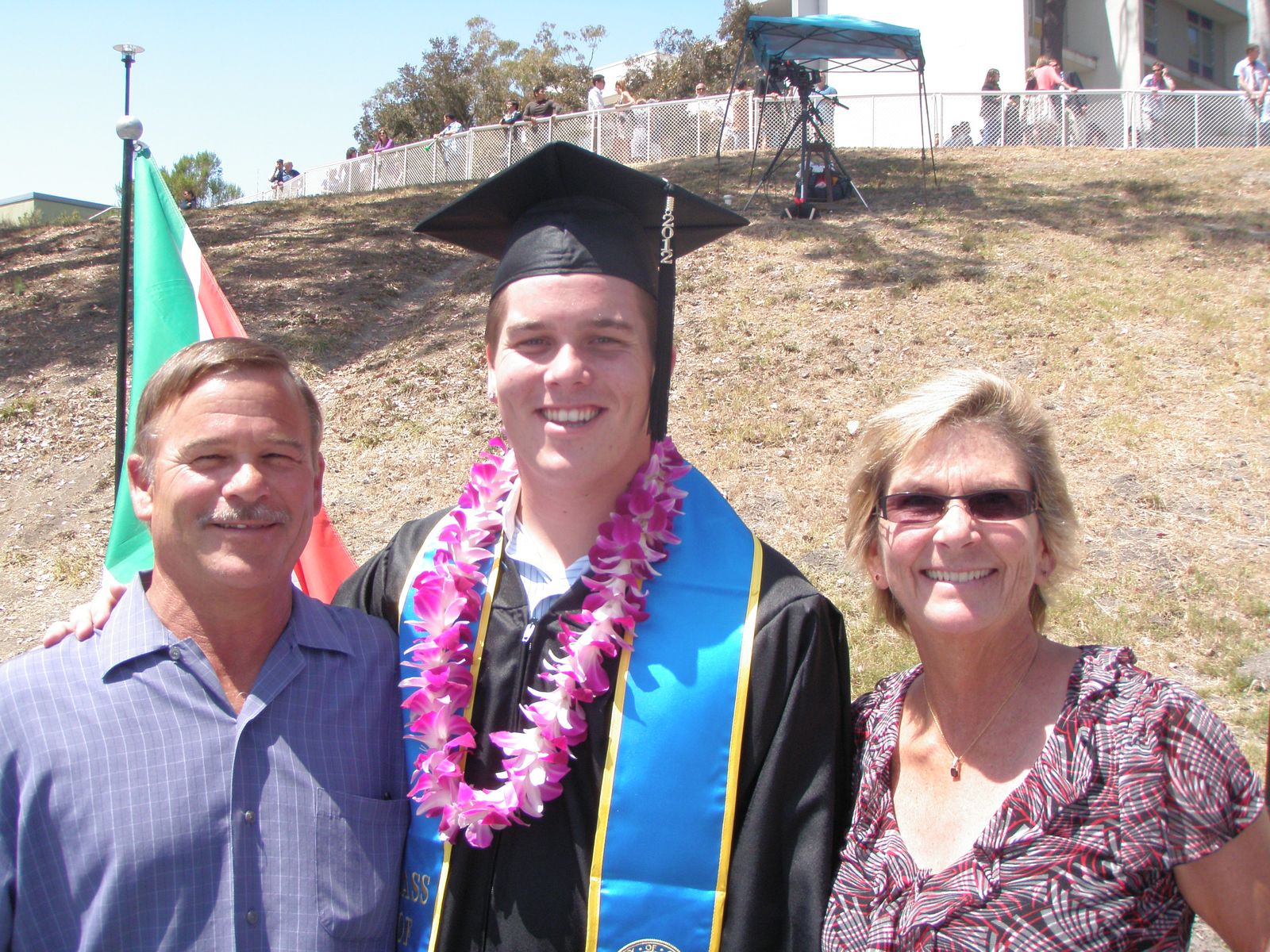
Blake in cap and gown with family at graduation
Graduation day, 2012
Chapter 1 · San Luis Obispo and Santa Barbara · to 2012

It started at the coast

I grew up in San Luis Obispo, close enough to the ocean that it was part of everyday life. That pull took me to UC Santa Barbara, where I earned a B.S. in Aquatic Biology in 2012 and started asking how coastal waters actually work.

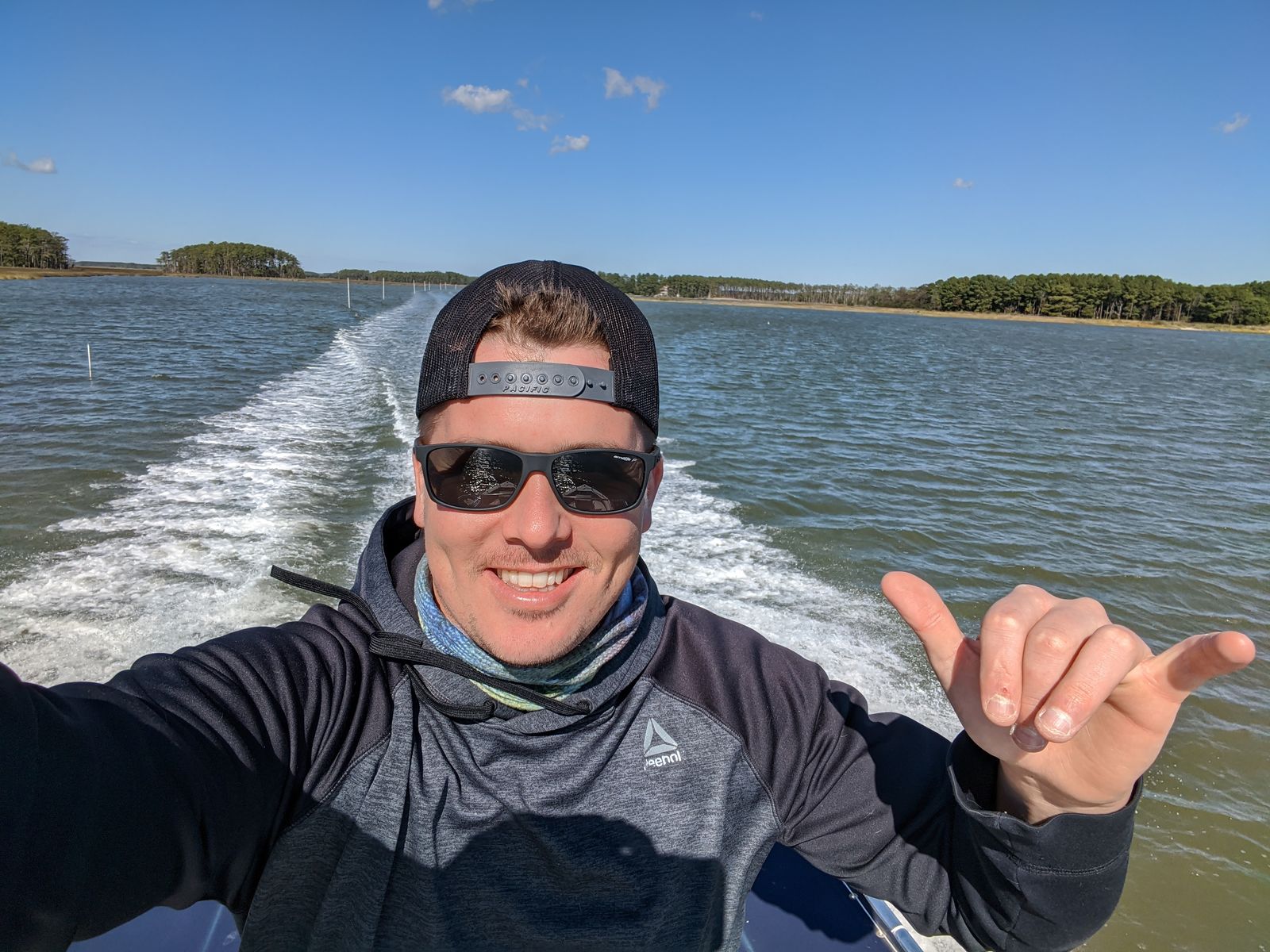
Blake grinning on a boat with its wake behind him and pine-lined shores
Out on the water
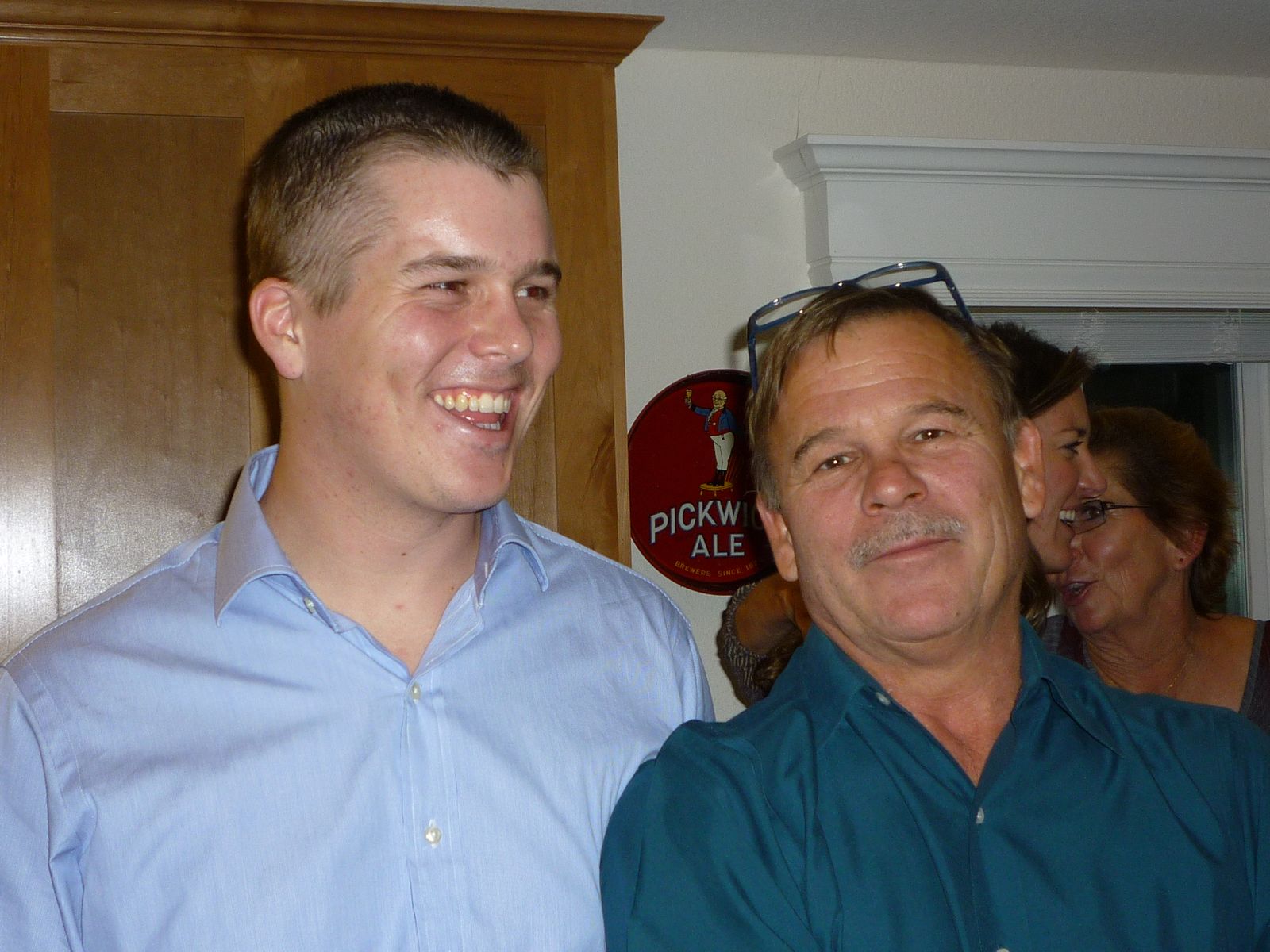
Blake laughing at a family gathering
A good laugh
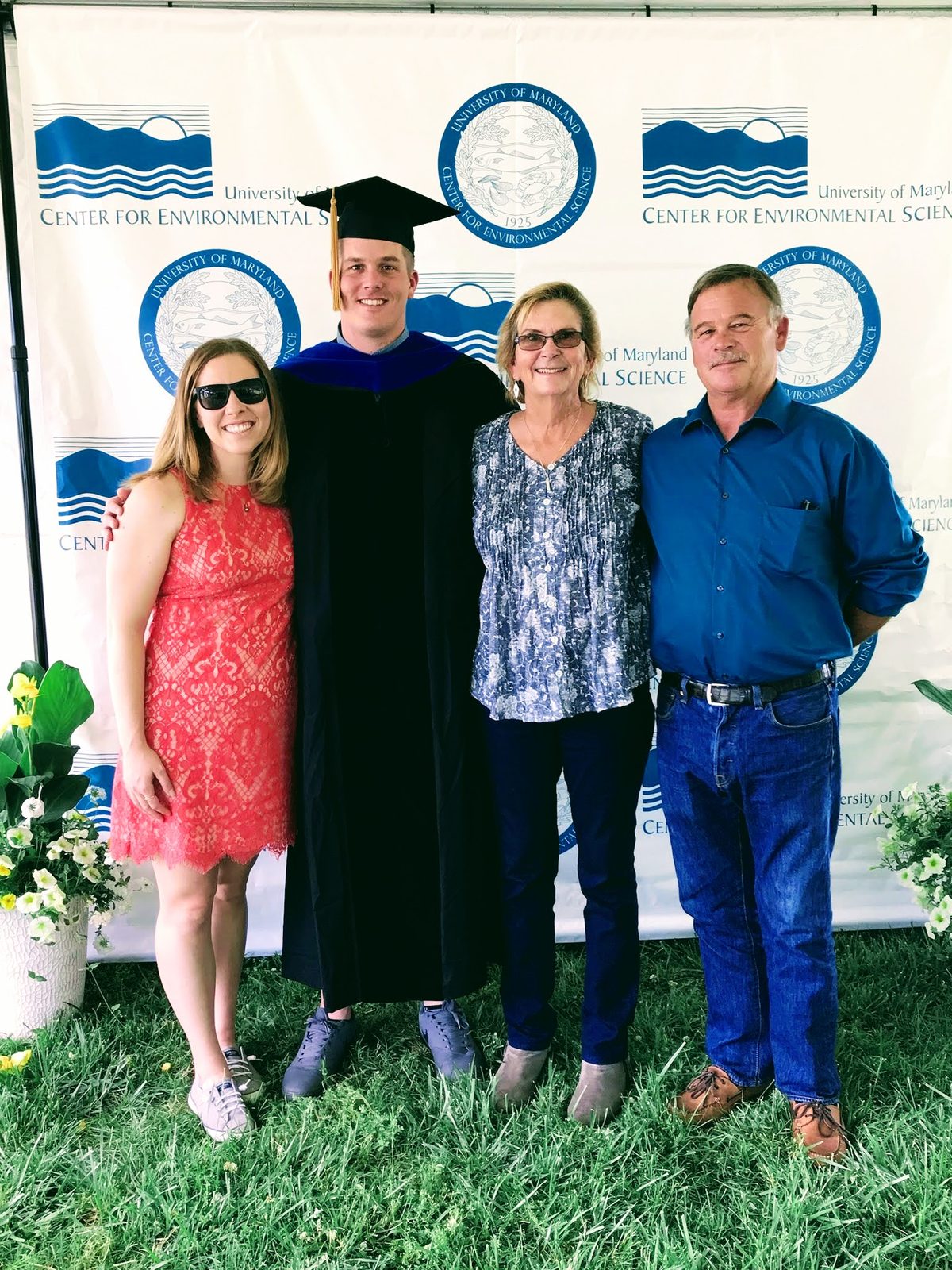
Blake in doctoral robes with family at the UMCES graduation
PhD day at UMCES, 2019
Chapter 2 · Chesapeake Bay, Maryland · 2014 to 2019

Learning to model a marsh

At the University of Maryland's Horn Point Laboratory, I built 3-D models of a tidal marsh and estuary, then tied them to what we measured in the water. That work became a PhD in 2019 and a full carbon budget for the system.

The research behind this chapter
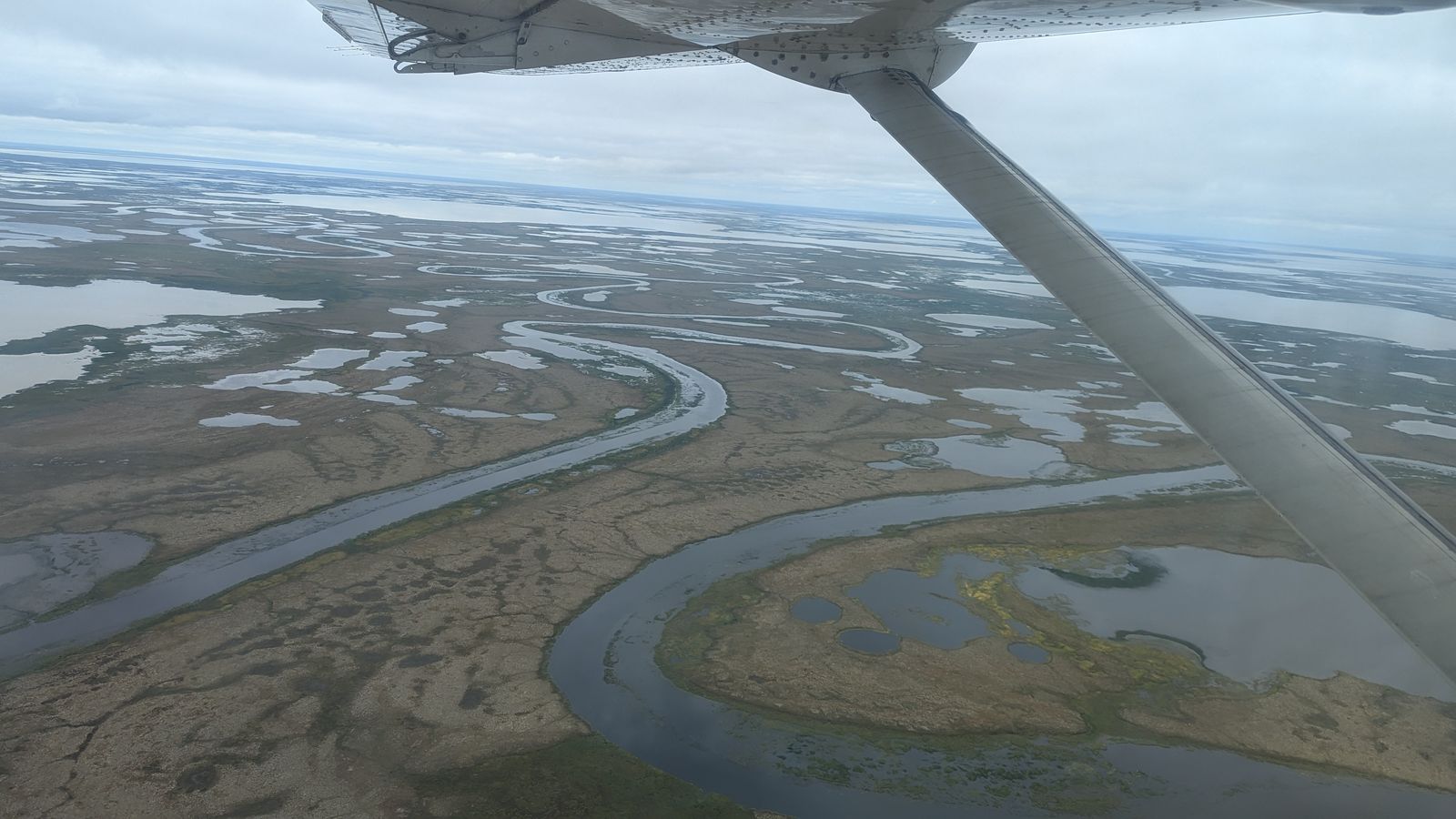
Aerial view of winding river channels and tundra lakes from a small plane
Over the delta by bush plane
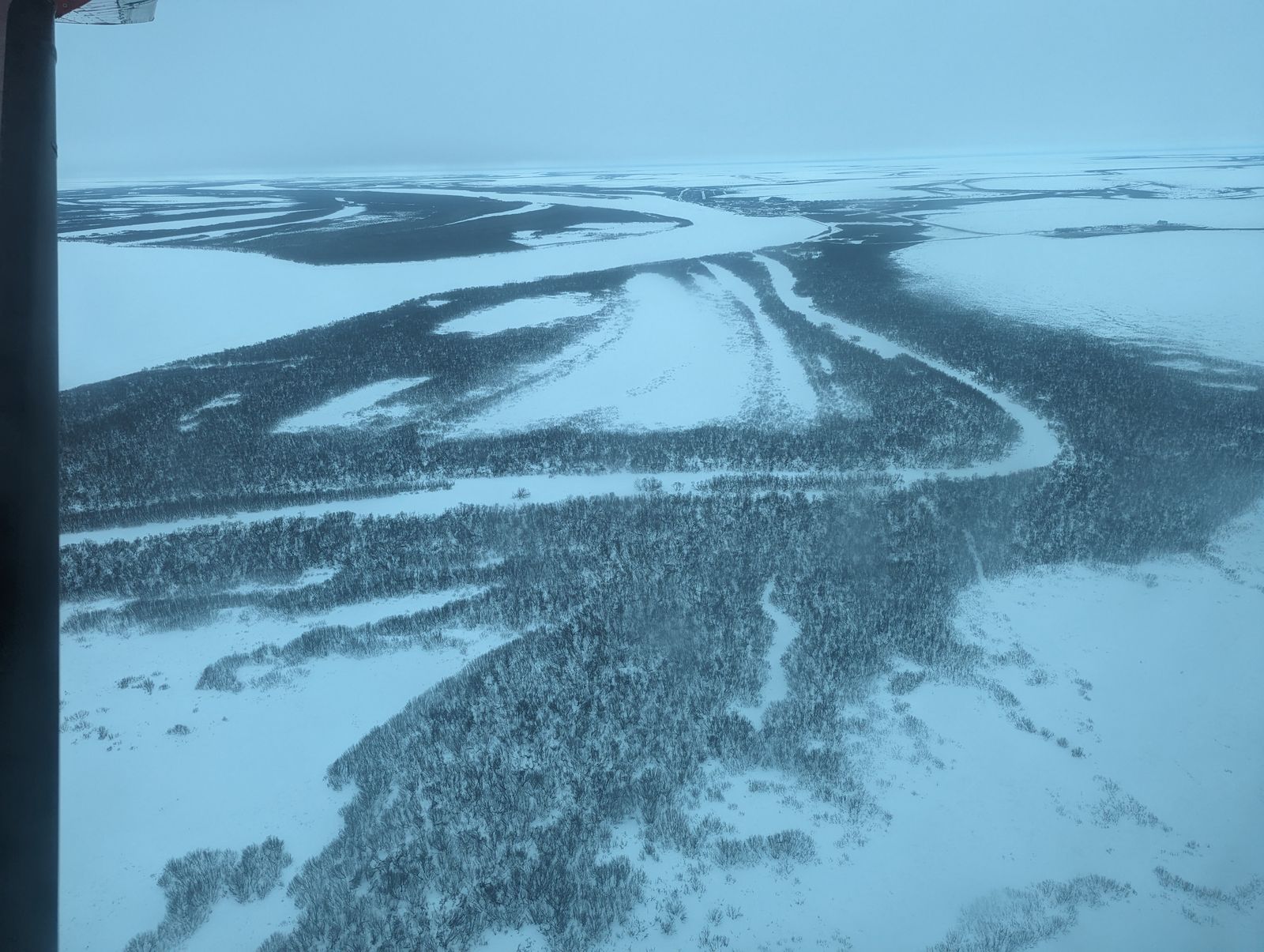
Snow-covered river channels and willows seen from a small plane
The same country in winter
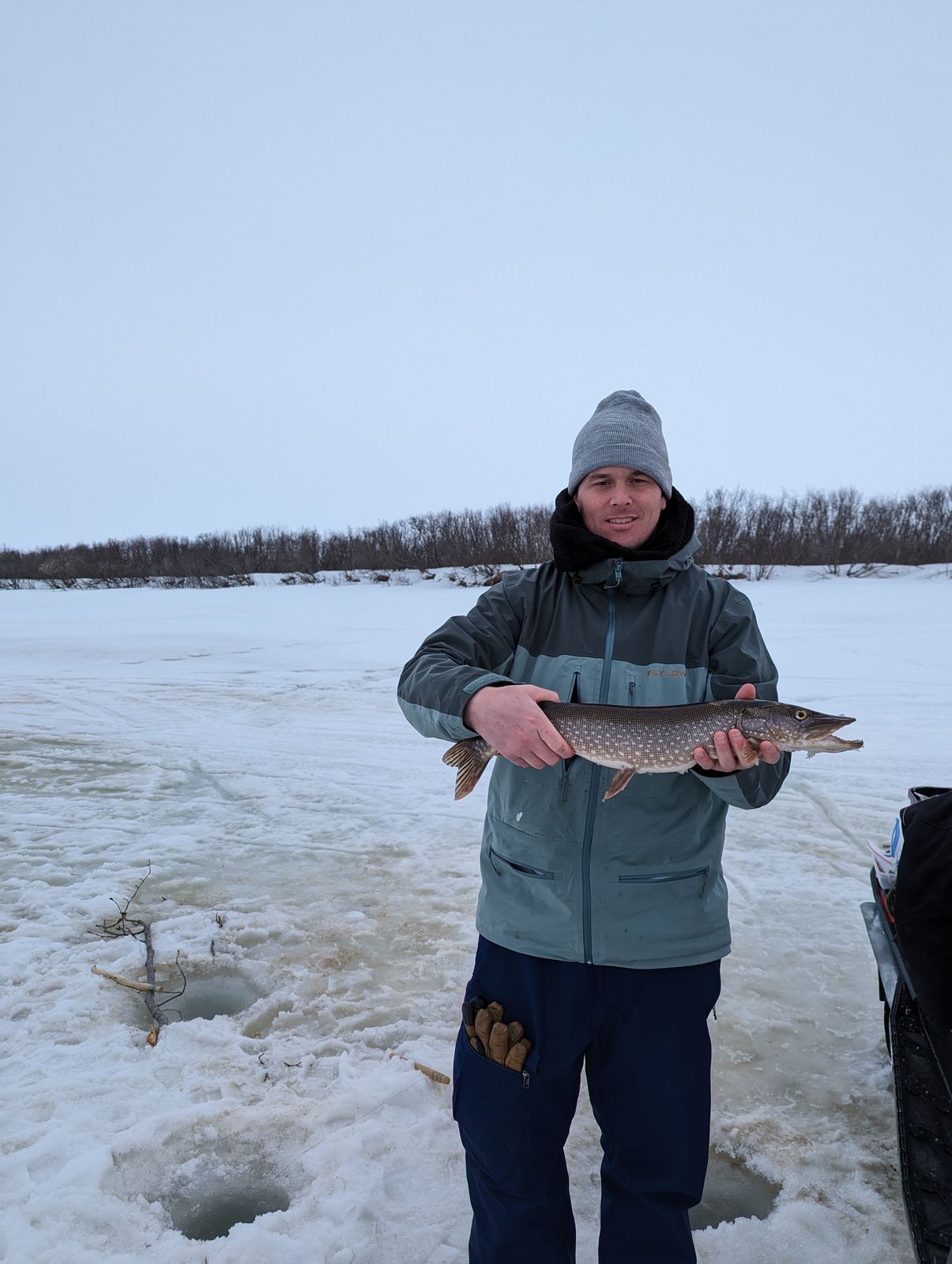
Blake holding a northern pike on a frozen river
A pike through the ice
Chapter 3 · NASA Goddard and the Yukon · 2019 to 2021

A postdoc through a pandemic

I started as a NASA Postdoctoral Fellow in 2019, studying how the Yukon River carries carbon into the Bering Sea. A year later the pandemic shut down travel, fieldwork and normal life. I kept going: the plume model, the experiments and the papers all came out of those years, and in 2021 NASA Goddard brought me on as a research scientist.

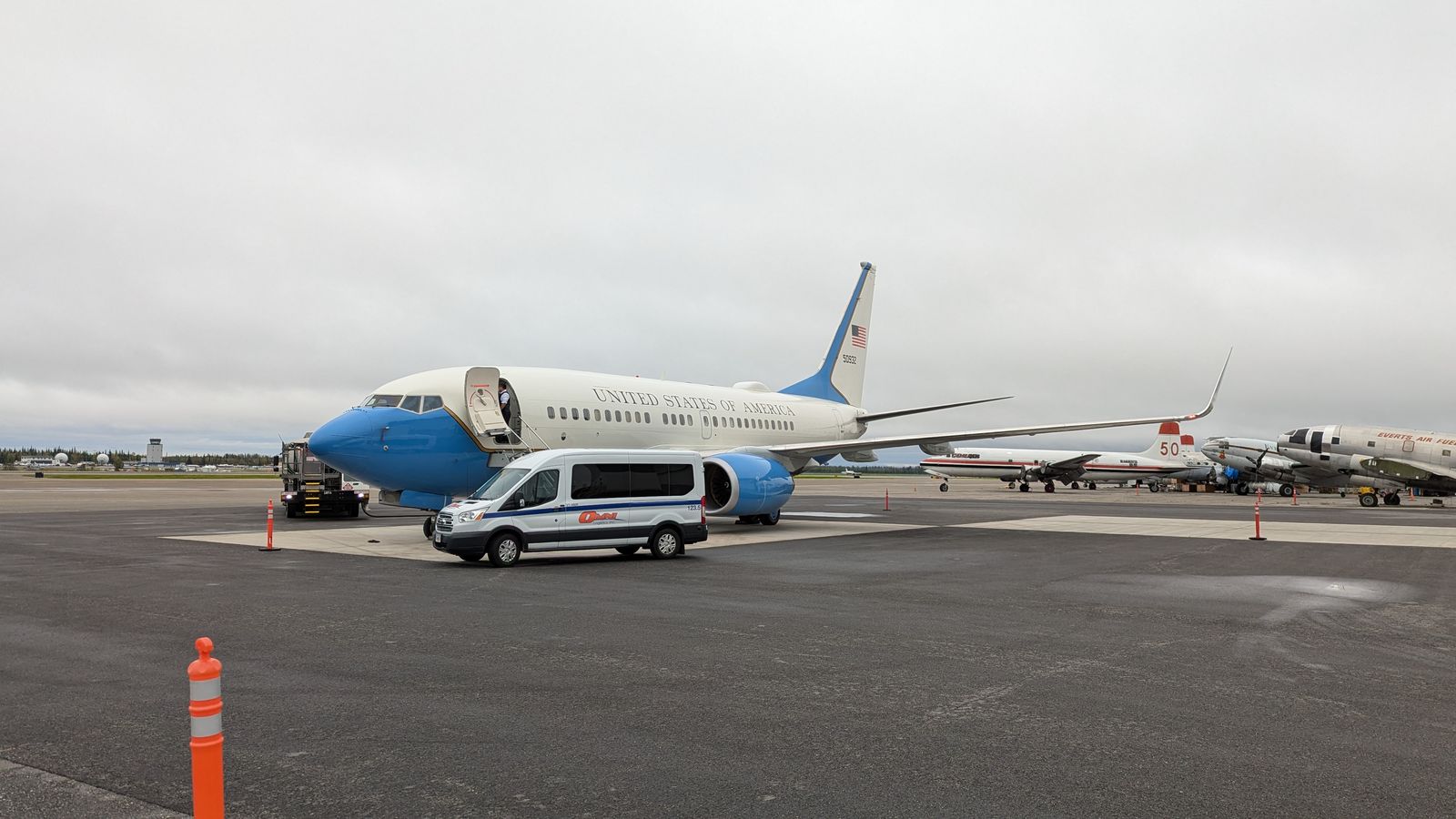
The Yukon stayed with me after that. I kept working on the delta until I left NASA in 2025, and these photos come from one of those later trips north.

The research behind this chapter
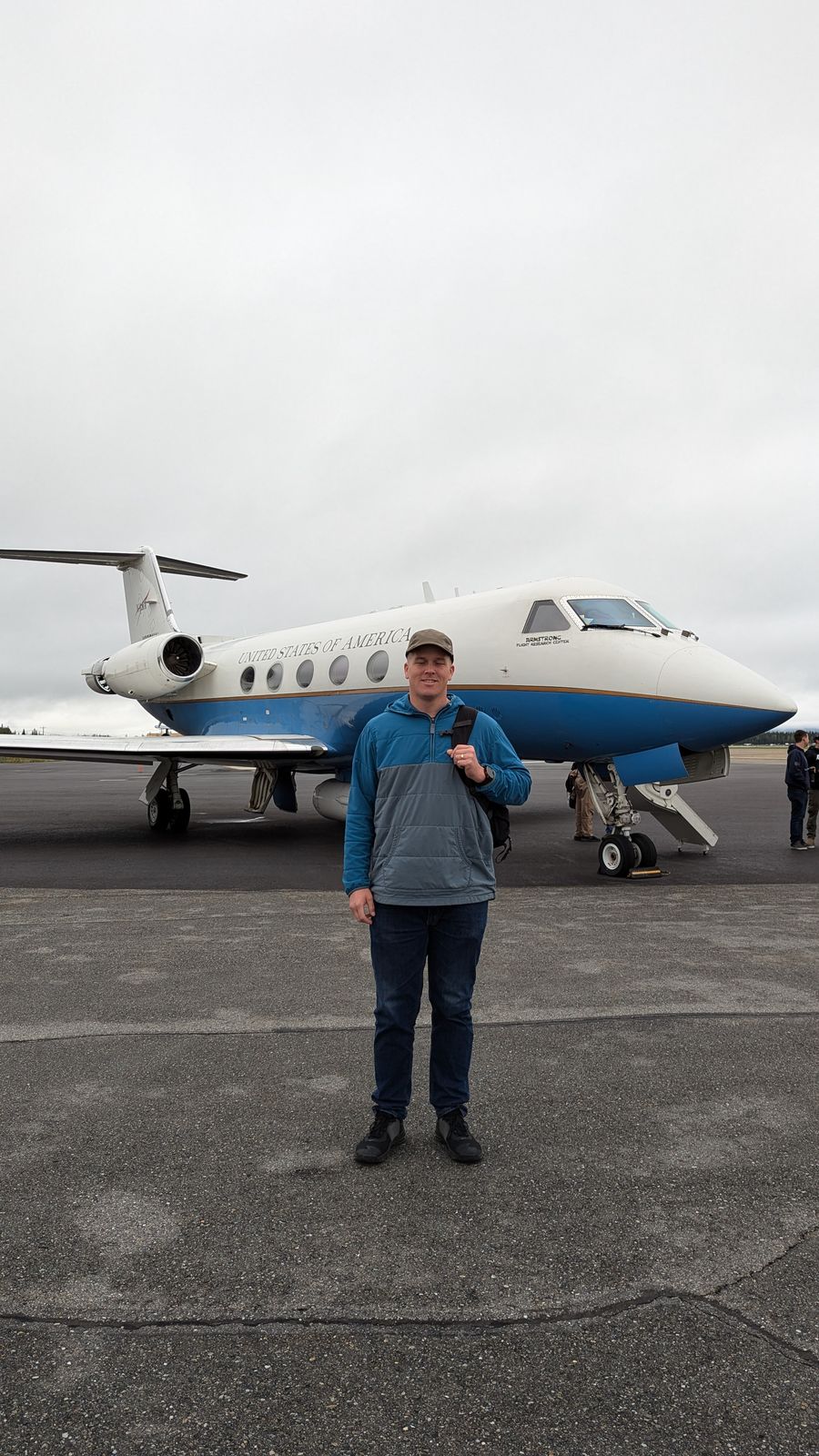
A white and blue government jet on an airport ramp under grey skies
On the ramp
Blake standing in front of a NASA research jet
With a NASA research jet
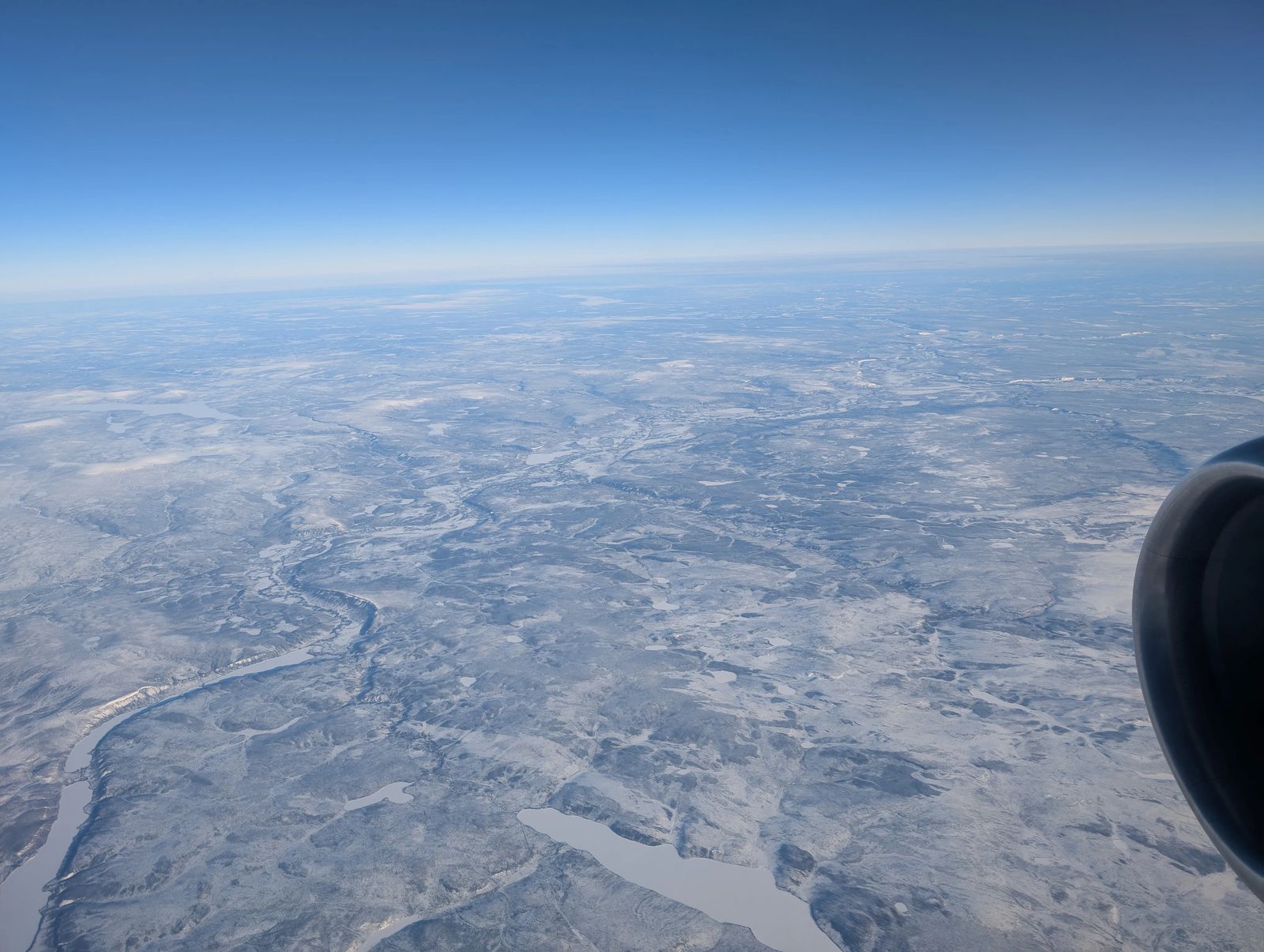
Snowy northern landscape with rivers and lakes seen from high altitude
Snow country from above
Chapter 4 · The Beaufort Sea and FORTE · 2021 to 2025

Helping lead a NASA mission

I built a new high-resolution model of the coastal Beaufort Sea and machine-learning tools for water quality, and became Deputy Principal Investigator of FORTE, a $15M NASA field mission built with Alaska Native communities, industry and local partners. Along the way came two NASA Peer Awards.

The research behind this chapter
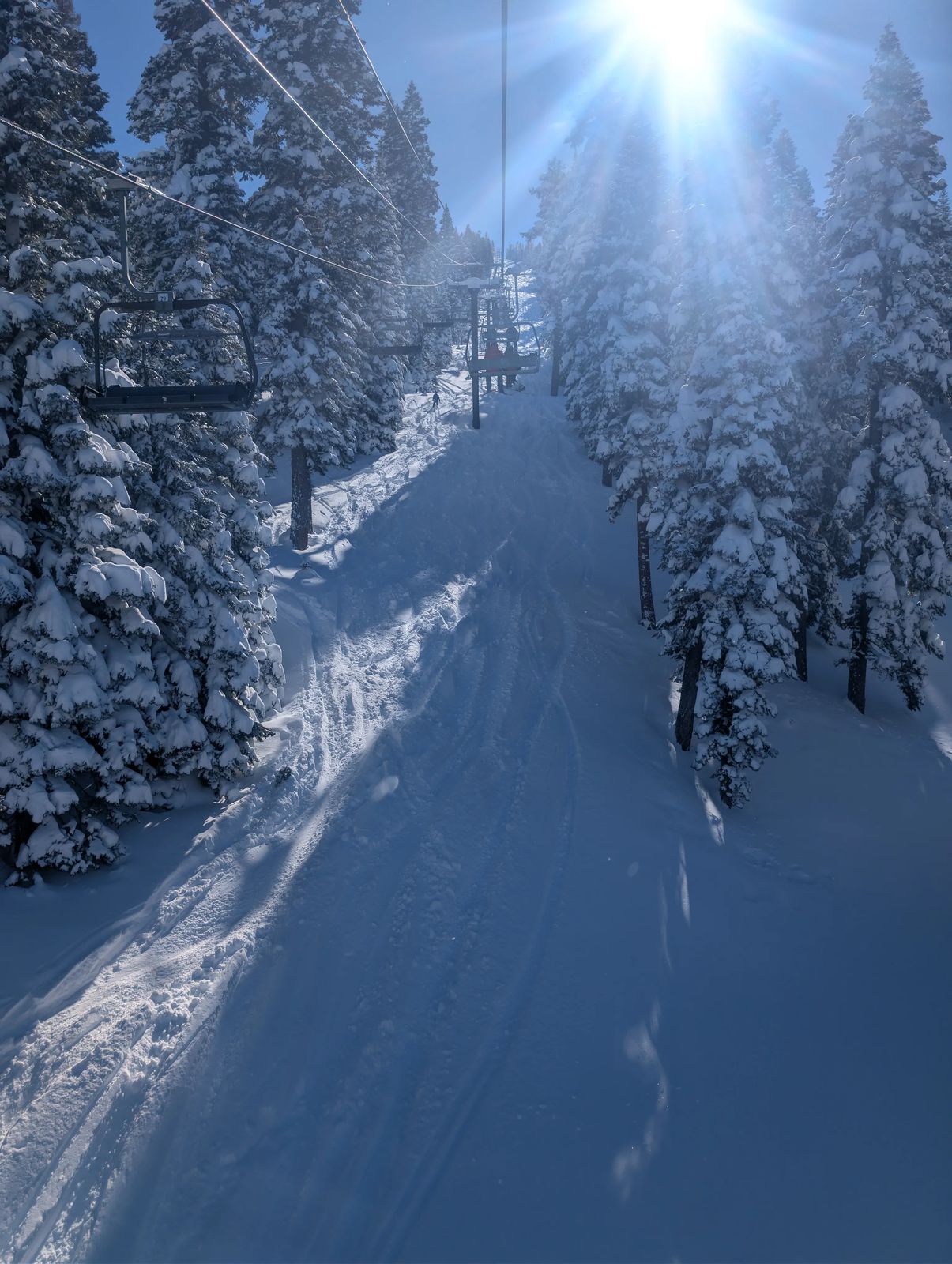
Chairlift through snow-loaded pines on a sunny day
Up the lift on a powder day
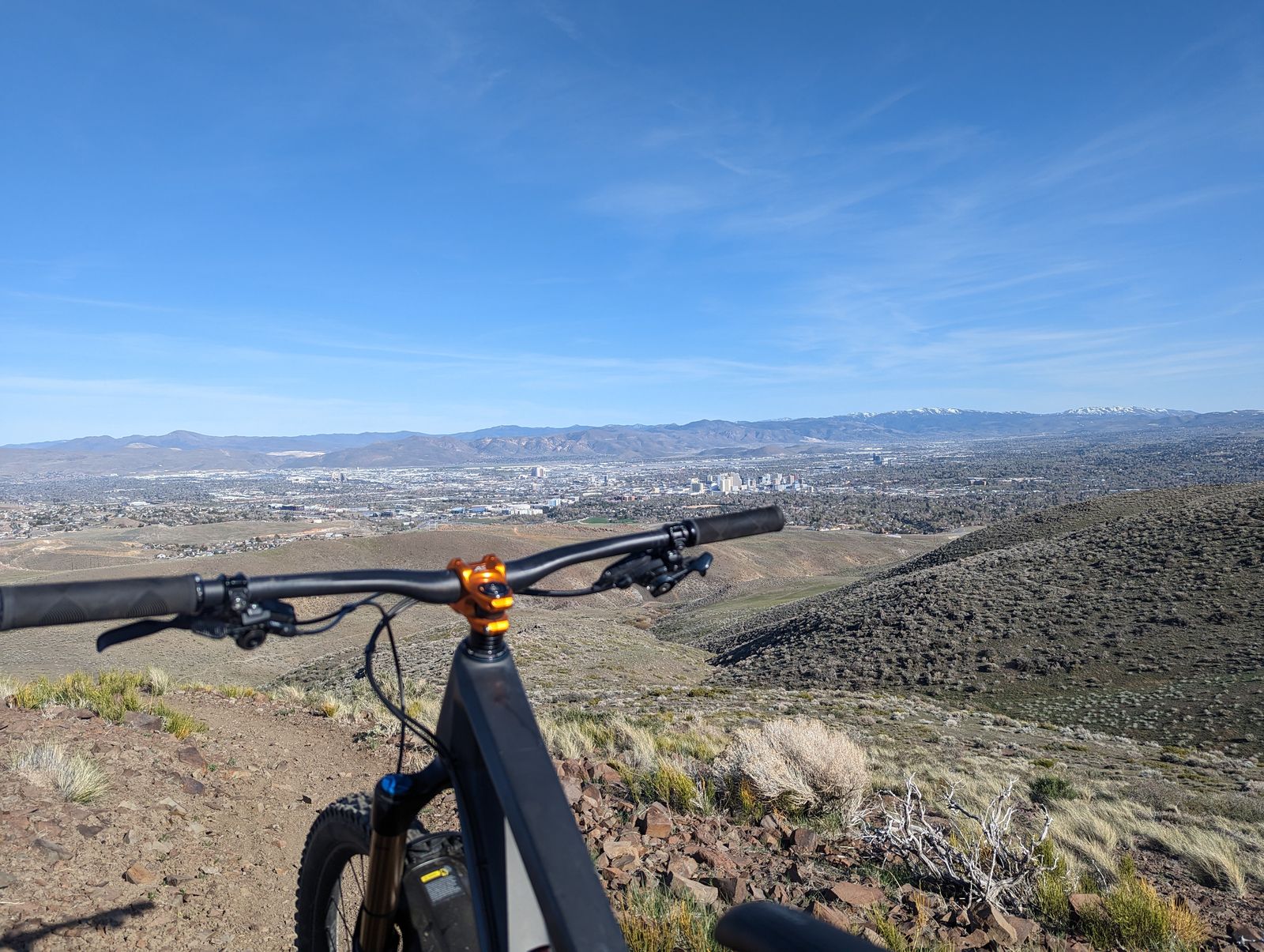
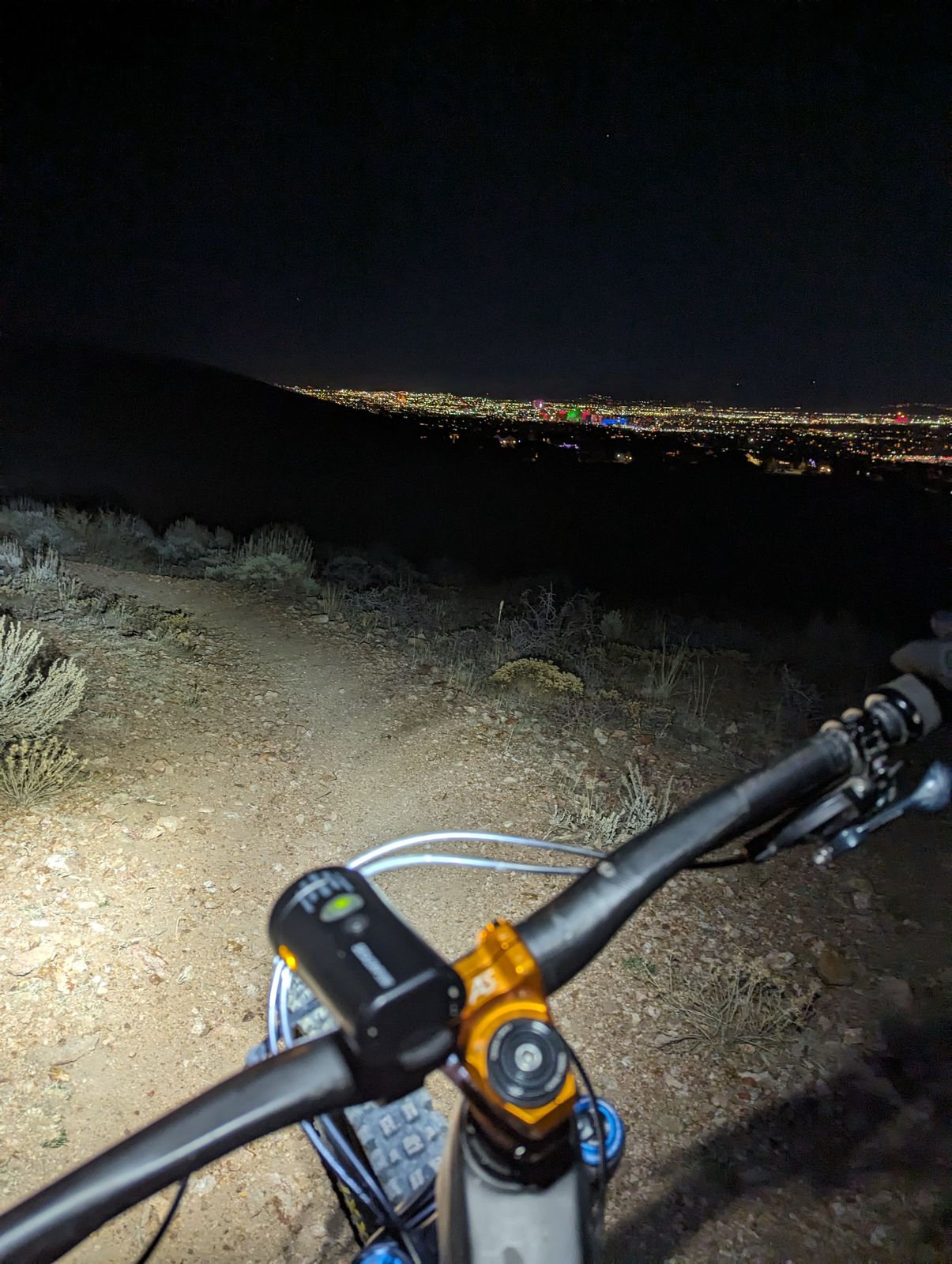
Mountain bike handlebars above a view of Reno
Riding above Reno
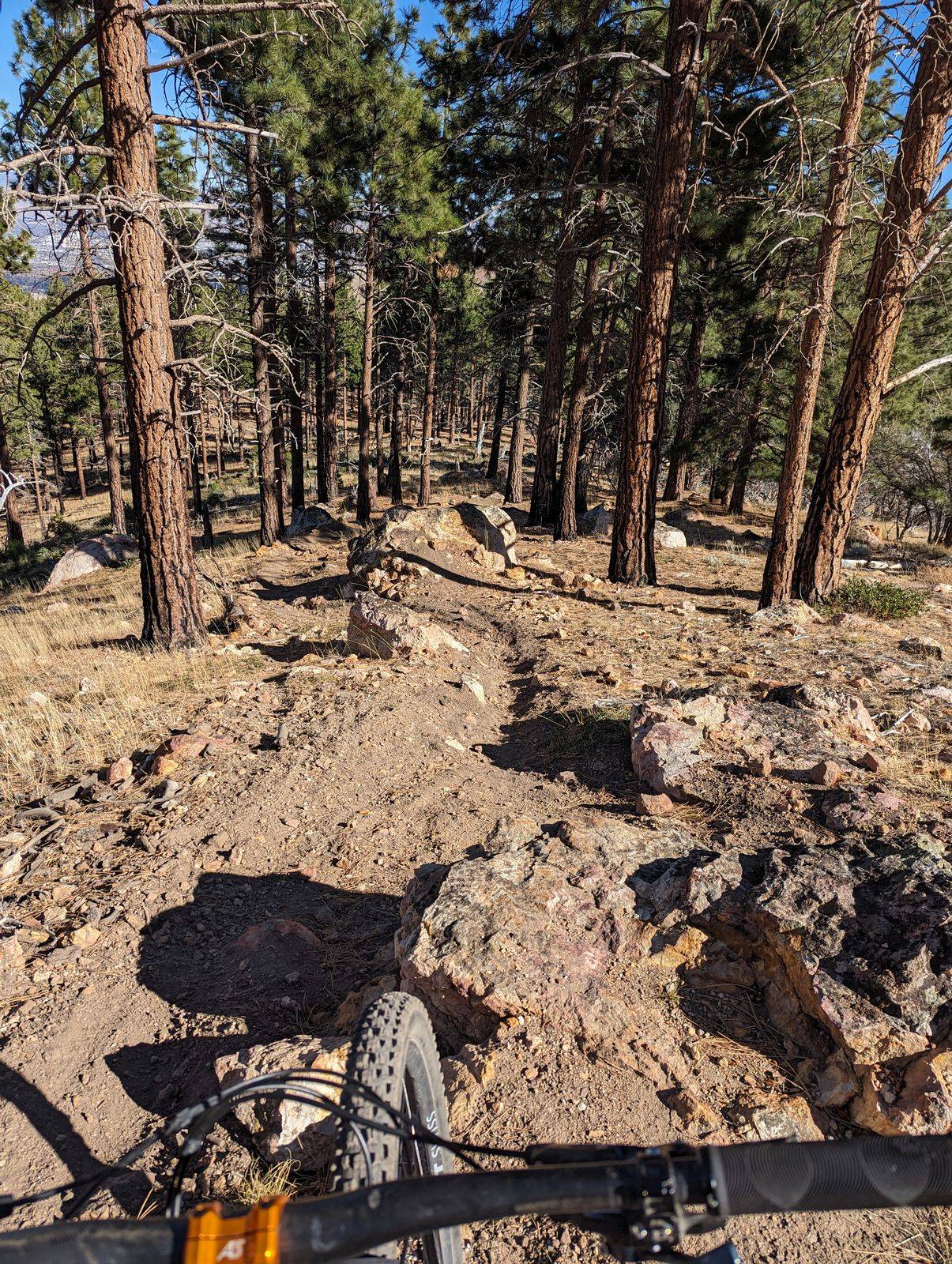
Rocky singletrack through ponderosa pines
Singletrack in the pines
Chapter 5 · Reno and Tahoe · 2025 to now

Into the mountains

In 2025 I left NASA and moved to the Sierra. I ran lift operations at Northstar, leading a 132-person crew, which taught me as much about people, safety and staying calm under pressure as any research project did. I also started R-TEC, an environmental consulting firm for the Reno-Tahoe region.

Next, I want to put modeling, statistics and machine learning to work where the numbers drive real decisions, in science, data or quantitative roles in Reno, Sacramento or the San Francisco Bay Area.

About R-TEC
The work in detail

Research areas

Arctic coastal ocean modeling

Site coastal Beaufort Sea, AlaskaTools 3-D hydrodynamic model, NASA HPC

The shallow Arctic coast changes fast as sea ice retreats and rivers deliver more fresh water. I built a high-resolution 3-D hydrodynamic model of the coastal Beaufort Sea, forced by winds, tides, open-ocean sea level, river discharge and sea ice, and evaluated its skill formally against observations.

  • Model construction and evaluation published in Frontiers in Marine Science (2025).
  • Deputy PI of FORTE (2024–2030): co-led science design and modeling strategy across institutions, and worked with Alaska Native, industry and local partners.
  • Ran large simulations on NASA high-performance computing systems across thousands of CPUs.

Arctic rivers and carbon

Span 1982–2019Data discharge and dissolved organic carbon, major Arctic rivers

I analysed 38 years of discharge and carbon records across the major Arctic rivers to separate how much of the change in carbon export comes from changes in discharge itself (Global Biogeochemical Cycles, 2023). The code and data are public on Zenodo.

Remote sensing and machine learning for water quality

Program DEEP-VIEW, NASA AIST ($1.1M)Tools Python, scikit-learn, satellite imagery

Resource managers need water clarity and quality maps where few measurements exist. I co-developed DEEP-VIEW, a machine-learning pipeline that combines satellite imagery, field observations and model output to predict coastal water quality.

  • A water-distance (non-Euclidean) interpolation method that adds labelled training data where observations are sparse (IEEE IGARSS 2024).
  • Co-authored weighted-regression methods that improved prediction of extreme water clarity values from satellite data (IEEE IGARSS 2023).
  • Pairing satellite data with AERONET-OC to track river plumes in Chesapeake Bay (Remote Sensing, 2025).
  • Land-to-ocean observing systems for organic carbon carried by storms (Estuarine, Coastal and Shelf Science, 2024).

Yukon River delta and plume

Site Yukon River delta and the northern Bering Sea, AlaskaTools 3-D plume model, field and lab experiments

The Yukon is one of the largest rivers draining to the Arctic, and its delta and plume decide how much of its carbon reaches the ocean. First as a NASA Postdoctoral Fellow and then as a research scientist, I modelled the Yukon River plume in the Bering Sea, measured how fresh water and wind control its strength and reach, and followed how organic carbon changes on its way from river to delta to sea.

  • How river flow and wind set the size and strength of the plume (Frontiers in Marine Science, 2022).
  • Faster loss of the delta's colored dissolved organic matter when nutrients are plentiful (Limnology and Oceanography, 2021).
  • How organic carbon is transformed and exported across the river, delta and ocean (JGR: Biogeosciences, 2022).
  • How dissolved organic matter mixes where the Yukon and Kolyma rivers meet the sea (Marine Chemistry, 2023).

Estuarine biogeochemistry

Site Chesapeake Bay tidal marsh and estuaryTools FVCOM, ICM

For my PhD at the University of Maryland's Horn Point Laboratory, I built a coupled 3-D hydrodynamic and biogeochemical model of a Chesapeake Bay tidal marsh and estuary and used it to produce a full carbon budget.

  • A comprehensive estuarine dissolved organic carbon budget (JGR: Biogeosciences, 2020).
  • A mechanistic model of how sunlight breaks down colored dissolved organic matter (Marine Chemistry, 2019).
  • Wind-driven organic matter exchange between a tidal marsh and the estuary (Estuaries and Coasts, 2018) and in sediments (JGR: Biogeosciences, 2017).
  • Ecological forecasting and the science of hypoxia in Chesapeake Bay (BioScience, 2017).

Sea ice thermodynamics in Python In progress

I'm writing a Python library that solves sea ice growth and melt using the physics of the CICE and Icepack models. Next steps are optical properties for the ice and water column and a radiative transfer model for UV and visible heating.

Experience
2026 – now

Data Scientist / AI Trainer

DataAnnotation · remote

Evaluate and correct AI model outputs on technical and quantitative tasks.

2025 – 2026

Manager, Lift Operations

Northstar California (Vail Resorts) · Truckee, CA

Led a 132-person team: 2 assistant managers, 10 leads and 120 staff.

2021 – 2025

Associate Research Scientist

NASA Goddard Space Flight Center / UMBC GESTAR II

Arctic coastal modeling, satellite machine learning, and Deputy PI of FORTE.

2019 – 2021

NASA Postdoctoral Fellow

NASA Goddard Space Flight Center / USRA

Yukon River plume dynamics in the Bering Sea.

2014 – 2019

Graduate Research Assistant

University of Maryland Center for Environmental Science, Horn Point Laboratory

PhD, Marine, Estuarine and Environmental Science, 2019.

2012

B.S., Aquatic Biology

University of California, Santa Barbara
Publications

Journal articles

  1. 2025
    A new high-resolution hydrodynamic model for the coastal Beaufort Sea in the Arctic Ocean: model construction and evaluation.
    Clark, J. B., Moses, W., El-Habashi, A., Tzortziou, M., Turner, K. J., Waga, H., Ackelson, S., Sherman, J. Frontiers in Marine Science 12, 1580690. doi:10.3389/fmars.2025.1580690
  2. 2025
    Augmenting satellite remote sensing with AERONET-OC for plume monitoring in the Chesapeake Bay.
    Smith, S. L., Schollaert Uz, S., Clark, J. B., Aurin, D. Remote Sensing 17(10), 1767.
  3. 2024
    Toward the future integration of land-to-ocean observing systems to characterize organic carbon fluxes from storms.
    Clark, J. B., Schollaert Uz, S. Estuarine, Coastal and Shelf Science 302, 108694.
  4. 2023
    Quantification of discharge-specific effects on dissolved organic matter export from major Arctic rivers from 1982 through 2019.
    Clark, J. B., Mannino, A., Spencer, R. G. M., Tank, S. E., McClelland, J. W. Global Biogeochemical Cycles 37(8), e2023GB007854.
  5. 2023
    Mixing behavior of dissolved organic matter at the Yukon and Kolyma land ocean interface.
    Kellerman, A. M., Hernes, P. J., McKenna, A. M., Clark, J. B., et al. Marine Chemistry 255, 104281.
  6. 2022
    The transformation and export of organic carbon across an Arctic river-delta-ocean continuum.
    Clark, J. B., Mannino, A., Tzortziou, M., Spencer, R. G. M., Hernes, P. Journal of Geophysical Research: Biogeosciences 127(12), e2022JG007139.
  7. 2022
    The impacts of freshwater input and surface wind velocity on the strength and extent of a large high latitude river plume.
    Clark, J. B., Mannino, A. Frontiers in Marine Science 8, 793217. doi:10.3389/fmars.2021.793217
  8. 2022
    Arctic biogeochemical and optical properties of dissolved organic matter across river to sea gradients.
    Novak, M. G., Mannino, A., Clark, J. B., Hernes, P., Tzortziou, M., Spencer, R. G. M., Kellerman, A. M., Grunert, B. Frontiers in Marine Science 9, 949034. doi:10.3389/fmars.2022.949034
  9. 2021
    Preferential loss of Yukon River delta colored dissolved organic matter under nutrient replete conditions.
    Clark, J. B., Mannino, A. Limnology and Oceanography 66(5), 1613–1626.
  10. 2021
    Photochemical and microbial degradation of chromophoric dissolved organic matter exported from tidal marshes.
    Logozzo, L., Tzortziou, M., Neale, P., Clark, J. B. Journal of Geophysical Research: Biogeosciences 126(4), e2020JG005744.
  11. 2020
    A comprehensive estuarine dissolved organic carbon budget using an enhanced biogeochemical model.
    Clark, J. B., Long, W., Hood, R. R. Journal of Geophysical Research: Biogeosciences 125(5), e2019JG005442.
  12. 2019
    A mechanistic model of photochemical transformation and degradation of colored dissolved organic matter.
    Clark, J. B., Neale, P., Tzortziou, M., Cao, F., Hood, R. R. Marine Chemistry 214, 103666.
  13. 2018
    Wind-driven dissolved organic matter dynamics in a Chesapeake Bay tidal marsh-estuary system.
    Clark, J. B., Long, W., Tzortziou, M., Neale, P. J., Hood, R. R. Estuaries and Coasts 41(3), 708–723.
  14. 2017
    Estuarine sediment dissolved organic matter dynamics in an enhanced sediment flux model.
    Clark, J. B., Long, W., Hood, R. R. Journal of Geophysical Research: Biogeosciences 122(10), 2669–2682.
  15. 2017
    Ecological forecasting and the science of hypoxia in Chesapeake Bay.
    Testa, J. M., Clark, J. B., Dennison, W. C., Donovan, E. C., Fisher, A. W., Ni, W., et al. BioScience 67(7), 614–626.

Conference papers

  1. 2024
    Non-Euclidean water distance based interpolation for increased mapping of coastal water clarity.
    Clark, J. B., Schollaert Uz, S., Ames, T. IEEE IGARSS 2024. doi:10.1109/IGARSS53475.2024.10642570
  2. 2024
    Deep-View: integration of coastal observations and models to inform water quality resource managers and decisions.
    Schollaert Uz, S., Ames, T. J., Clark, J. B., Smith, S. L. IEEE IGARSS 2024.
  3. 2023
    Improving extreme value prediction for water clarity using weighted regression models.
    Daniels, W., Ames, T., Clark, J. B., Schollaert Uz, S. IEEE IGARSS 2023.
  4. 2022
    Assessing carbon properties in coastal waters with a new observing system testbed.
    Clark, J. B., Schollaert Uz, S., Tsontos, V., Huang, T., Scott, J., Rogers, L. OCEANS 2022, Hampton Roads, 1–6.

Selected talks and abstracts

  1. 2025
    Advancing global river discharge estimates: integrating remote sensing, modeling, and monitoring for sustainable water resource management.
    Meshesha, T. W. W., Rousseaux, C. S., Clark, J. B. AGU Fall Meeting, H51B-01.
  2. 2023
    Integration of satellite and in situ observations into machine learning for coastal water quality.
    Schollaert Uz, S., Ames, T. J., Clark, J. B., Aurin, D. EGU General Assembly.
  3. 2022
    The transformation and export of organic carbon in the Yukon River delta and plume.
    Clark, J. B., Mannino, A., Tzortziou, M., Spencer, R., Hernes, P. Ocean Sciences Meeting.
  4. 2021
    Linking optics and biogeochemical models to better quantify marine carbon cycling.
    Clark, J. B. Ocean Carbon and Biogeochemistry Summer Workshop.
  5. 2020
    Biodegradation of Yukon River delta dissolved organic matter is marginally enhanced by nutrient enrichment.
    Clark, J. B., Mannino, A. Ocean Sciences Meeting, HE34B-1996.
Thesis

  1. 2019
    Development of a biogeochemical modeling system to estimate fluxes and controls of estuarine organic matter cycling.
    Clark, J. B. PhD dissertation, University of Maryland. doi:10.13016/anfz-tron

Citation counts and the latest additions are on Google Scholar.

Skills

Statistics and data science

Extreme value and weighted-regression methods, Bayesian/MCMC, Monte Carlo simulation, time-series analysis, machine learning, model validation

Earth system data

Winds and storms, river discharge, sea level and sea ice, satellite remote sensing, in situ observations, NetCDF model output

Programming

Python (NumPy, pandas, SciPy, xarray, scikit-learn, TensorFlow, Dask), Fortran, MATLAB, R, SQL, Linux/HPC, Git; GDAL, rasterio, geopandas

Leadership and communication

Deputy PI on a multi-institution mission, Co-Chair of the NASA Carbon Monitoring System Wet Carbon Working Group, briefing non-specialists, leading a 132-person team

Consulting

R-TEC: Reno-Tahoe Environmental Consulting

My consulting firm helps local agencies and organizations in Nevada County and beyond with environmental needs, from compliance to long-term risk assessment. It leans on AI, satellite imagery and drone and high-resolution photography, and delivers full service through licensed partners.

Off the clock
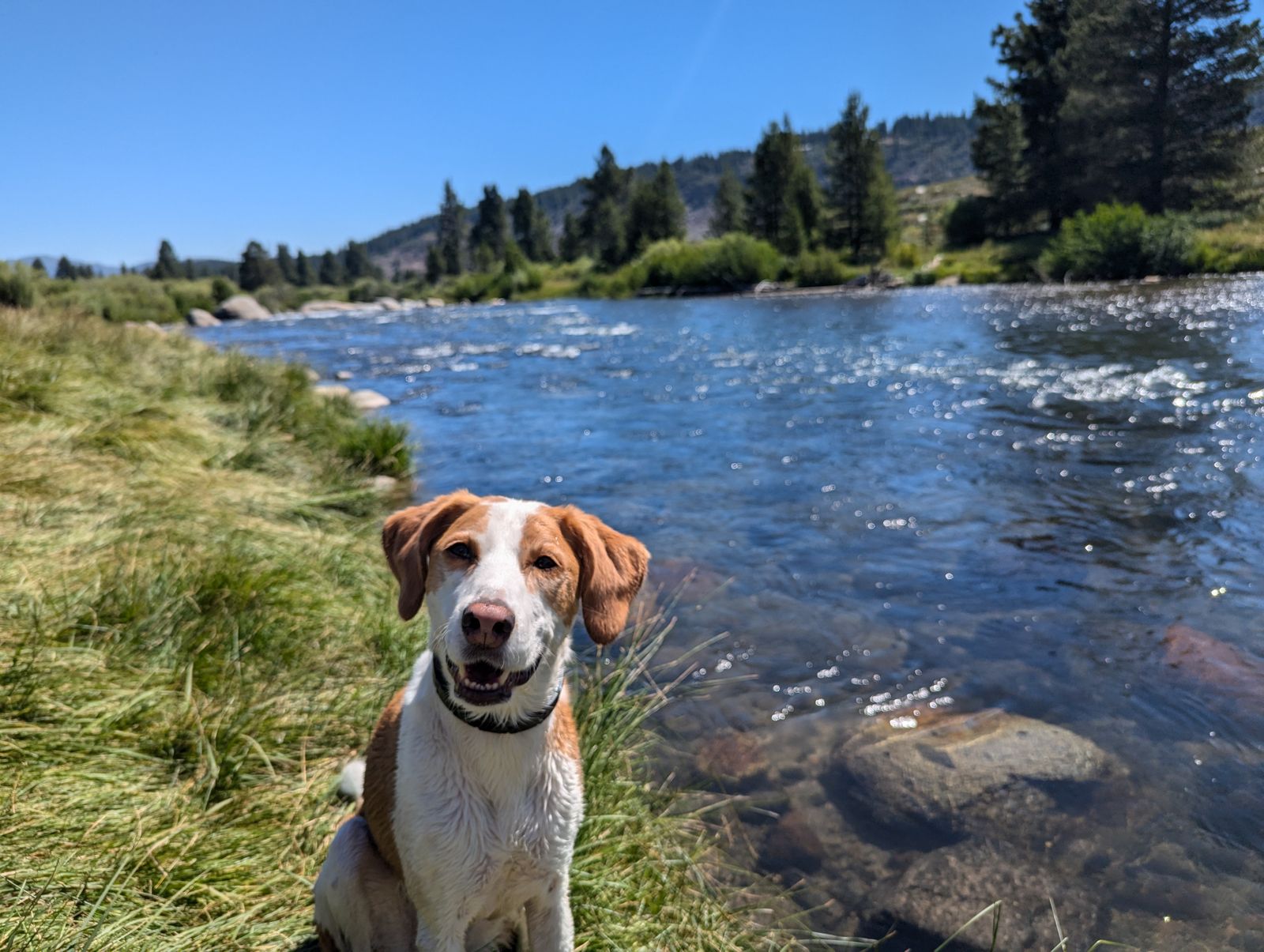
A happy dog sitting by a mountain river
Family includes the dog

Family first

Most of my favorite time is spent with my family.

Night ride with a bike light and city lights below
Night laps above the city

Trails and snow

Living near Tahoe means mountain biking when the trails are dry and snow sports all winter.

The horse-trough hot tub

Building things

Home projects, art projects, landscaping and DIY of every kind. During COVID I turned a horse trough into a hot tub.

Your sea ice model output

Tinkering with code

I'm building an open-source Python library for sea ice physics, mostly because I want one to exist.

Contact
Email
chair.rtec@gmail.com
LinkedIn
linkedin.com/in/blake-clark-4b297815b
GitHub
github.com/bclark805
Scholar
Google Scholar profile
CV
PDF to link here